Scheduling Meals Efficiently
Understanding approaches to organising meal times
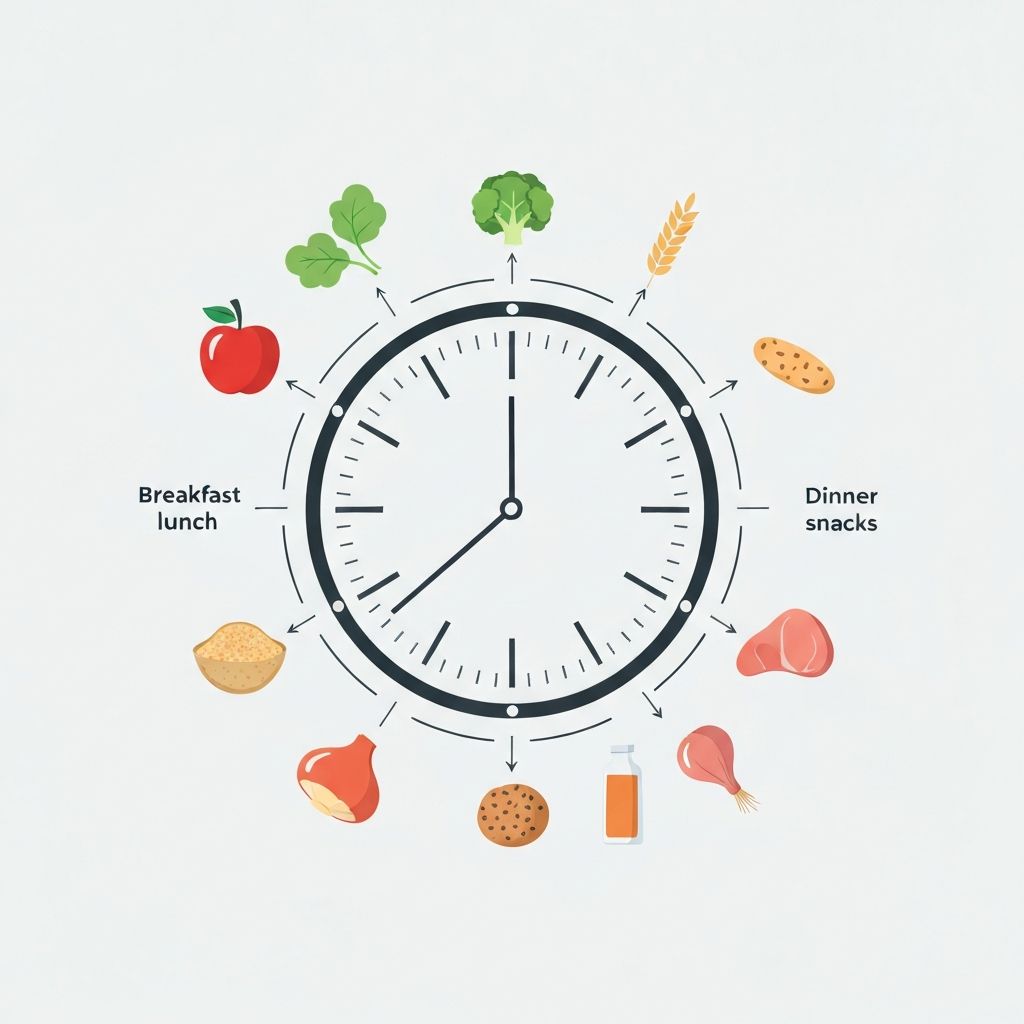
The Challenge of Modern Schedules
Contemporary life presents numerous demands on time and attention. Work commitments, family responsibilities, social activities, and personal pursuits all compete for space in daily schedules. Within this complex environment, organising meals can present practical challenges.
Different people face different scheduling constraints. Shift workers, parents with young children, students, and those with standard office hours all navigate distinct time structures. Understanding these varied contexts is essential when considering how meal patterns fit into daily life.
Common Approaches to Meal Timing
People employ diverse strategies for organising their eating schedules. Some prefer structured approaches with meals at fixed times each day, while others adopt more flexible patterns that respond to changing circumstances.
Three-meal patterns, with breakfast, lunch, and dinner occurring at roughly regular intervals, remain common in many cultures. However, alternative patterns exist, including more frequent smaller meals or fewer, larger eating occasions. Each approach reflects different priorities and constraints.
Fixed Schedule Approach
Some individuals establish consistent meal times that remain relatively stable across days. This approach can provide structure and predictability, potentially making other aspects of daily planning easier. When meal times are predetermined, less decision-making is required about when to eat.
Fixed schedules may suit those whose daily routines follow regular patterns. However, maintaining strict meal times can be challenging when unexpected events or obligations arise.
Flexible Timing Approach
Others prefer more adaptable meal scheduling that responds to daily variations. This approach prioritises responsiveness to immediate circumstances over adherence to predetermined times. Flexibility can be advantageous when schedules are unpredictable or when demands vary significantly between days.
While flexibility has advantages, some research suggests that highly irregular eating patterns may have different metabolic effects compared to more consistent schedules. However, individual responses vary, and practical constraints often influence what is feasible.
Practical Considerations
Several practical factors influence how people organise their meal schedules. Understanding these considerations can provide insight into the diversity of approaches that exist.
Work and Occupation
Employment patterns substantially influence meal timing possibilities. Office workers may have designated lunch breaks, while shift workers must accommodate rotating schedules. Those with irregular work hours face particular challenges in maintaining consistent meal patterns.
Some occupations involve physical labour or high cognitive demands, which may influence meal timing preferences. Others involve extensive travel or varied locations, adding another layer of complexity to meal scheduling.
Family and Social Context
Meal times often serve social functions beyond nutrition. Family meals, business lunches, and social dinners all structure eating occasions around interpersonal interactions. These social dimensions can take precedence over purely individual meal timing considerations.
Parents with children may organise their own eating patterns around family meal times. Social commitments can similarly influence when eating occurs, introducing variability into otherwise regular patterns.
Food Preparation Time
The time required to prepare food influences meal scheduling decisions. Those who cook most meals from basic ingredients must allocate preparation time, while those using prepared foods or eating out face different time constraints.
Some people address this by preparing meals in advance, cooking larger quantities for future consumption, or selecting preparations that require minimal time. Each strategy represents a different balance between time investment and meal organisation.
Meal Timing Windows
Rather than fixed meal times, some people think in terms of timing windows during which eating typically occurs. For example, breakfast might occur within a two-hour morning window rather than at precisely the same time each day.
This approach combines elements of structure and flexibility. It maintains relative consistency while accommodating minor variations in daily schedules. Research on meal timing often examines such windows rather than precise times.
Advance Planning Strategies
Regardless of whether meal times are fixed or flexible, advance planning can facilitate meal organisation. Various planning approaches exist, each with different characteristics.
Some people plan meals several days in advance, determining what they will eat and when. Others plan less specifically, perhaps ensuring that suitable food options are available without predetermining exact meals or times. Still others plan minimally, making decisions shortly before eating.
The degree of planning that proves useful varies between individuals and may change based on current life circumstances. What works well during one period may be less suitable during another.
Technology and Meal Scheduling
Various technological tools exist that some people use to support meal organisation. Reminder systems can prompt meal times, while planning applications can help organise meal preparation. However, these tools are optional aids rather than necessities.
Different individuals have different relationships with such tools. Some find them helpful for maintaining desired patterns, while others prefer less structured approaches. Neither perspective is inherently correct.
Adapting to Changing Circumstances
Life circumstances change, and meal patterns often adapt accordingly. A schedule that works well during one phase of life may become impractical during another. Recognising this variability is important when thinking about meal organisation.
Career changes, family transitions, health developments, and aging all represent circumstances that might prompt adjustments to meal patterns. The ability to adapt eating schedules to new situations reflects normal human flexibility.
No Universal Optimal Schedule
An important point emphasised in nutritional research is that no single meal schedule is optimal for all people in all circumstances. Individual needs, preferences, and constraints vary too substantially for universal recommendations to be appropriate.
Research can identify general patterns and associations, but these findings describe group-level observations. They do not determine what any specific individual should do regarding their meal schedule.
Important Context
This article provides educational information about various approaches to meal scheduling. It describes how different people organise their eating patterns and the factors that influence these decisions.
The content is not prescriptive and does not constitute personalised advice. Individual circumstances vary greatly, and what works for one person may not suit another. Decisions about meal timing should be based on personal needs, preferences, and circumstances.
For guidance tailored to your specific situation, consult qualified professionals such as registered dietitians or nutritionists who can assess your individual needs.